
What is agritourism?
Agritourism goes far beyond visiting a farm, it’s about deeply connecting with a destination through its nature, people, and culture. In 2025, this slow growing form of travel is booming, driven by travelers seeking sustainable, meaningful experiences.
According to recent data from the World Bank, agritourism globally plays an increasingly important role in boosting local economies, supporting conservation, and preserving cultural identity.

Why Agritourism matters on small Caribbean islands
Aruba, Bonaire, and Curaçao lack large-scale agriculture due to their arid climate, limited land, and reliance on imports. Yet agritourism offers a powerful way to support local productivity sustainably and to strengthen cultural heritage.
1. Supports Local Producers
Engaging travelers with small-scale farms, honey producers, and artisan foodmakers directly benefits the local economy—each farm tour, tasting, or purchase helps reduce dependence on imports.
2. Attracts sustainable tourism
Agritourism appeals to conscious travelers who value authenticity over overcrowded resorts. It promotes longer stays, deeper engagement, and more meaningful economic impact per visit.
3. Educates & inspires
Visitors learn about native plants, traditional cooking methods, and sustainable farming. This builds awareness and respect for local ecosystems—changes that last beyond vacation.
4. Helps preserve culture & Landscape
Tourist interest in heritage foods, farming techniques, and stories motivates locals to maintain traditions and landscapes, securing their survival through tourism.

Agritourism Highlights on the ABC Islands
🌵 Aruba
Eco Living Aruba – Desert Bee Experience: Discover how bees thrive in the desert and support local honey workshops.
Altovista Winery: Tour a boutique vineyard with sunset tastings over the eastern coast.
Cunucu di Jimmy – Mi Boca Dushi: Delight in farm-to-table meals featuring dragon fruit (pitaya).
Aruba Aloe Factory Museum: Explore the aloe vera legacy and enjoy skincare made from natural ingredients.
Colorado Shack / Zeerover (Savaneta): Feast on local specialties like funchi, pan bati, and freshly caught fish.
🌿 Curaçao
Hofi Cas Cora: Organic farm lunch overlooking farmland, featuring seasonal dishes like goat cheese sandwiches and pumpkin cheesecake.
- Hofi Mango: Tour a historic Mango plantation and nature park with traditional Dutch-style sugar mill where rum was historically produced.
Dinah Veeris Herb Garden – Den Paradera: A renowned garden created by herbalist Dinah Veeris.
Landhuis Chobolobo & Ascencion: Explore historic plantation houses and learn about Blue Curaçao liqueur.
Christoffelpark: Experience Caribbean flora and fauna through eco hiking and conservation-focused land use.
🌺 Bonaire
Aletta’s Goat Farm: Tour a family-run goat farm and sample homemade cheese and milk.
Cadushy Distillery: Enjoy local cactus-based spirits and farm-to-bottle tours.
Echo Dos Pos Conservation Center: Learn about Yellow-shouldered Amazon parrots in the dry forest habitat.
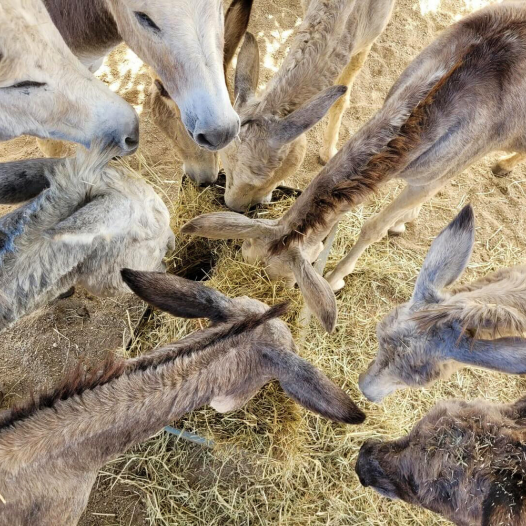
Donkey Sanctuary: Drive or walk among rescued donkeys and support conservation efforts.
Conservation & Wildlife
Agritourism supports natural ecosystems through sustainable practices:
Marine life: Observe sea turtles, dolphins, and vibrant reef fish in the Bonaire National Marine Park and off Eagle Beach.
Birdwatching: Spot flamingos at Pekelmeer, hummingbirds, and Venezuelan troupials in the island interiors.
Protected species: Visit forestry and wildlife projects in Arikok Park and Christoffel National Park focused on parrot restoration and land preservation.
Tip: Do not feed wildlife. Use binoculars to observe from a respectful distance.
A Brief History & Cultural Context
The ABC Islands were first explored by the Spanish in the late 15th century and originally inhabited by the Arawak people. Colonized later by the Dutch, the islands gained independence (Aruba and Curaçao) or special municipality status (Bonaire).
Today, the culture is a blend of European, African, and Latin influences, reflected in languages (Dutch, English, Spanish, and Papiamento), cuisine, architecture, and music.
Agritourism: A Sustainable Travel Movement
Whether you’re a food lover, nature enthusiast, or simply seeking authentic adventure, agritourism offers a way to travel consciously. By supporting small-scale farms and local traditions, you help build resilient communities and preserve the environment.
Practical Travel Tips
Best time to visit: December–April (dry season, ideal climate)
Currency: USD (Bonaire) or Aruban/Netherlands Antillean Guilder
Voltage: 110V (US-style plug required)
Transport: Rent a compact car (e.g., Kia Picanto)
Flights: Book 5+ months in advance with TUI or KLM for best rates
If you like this article you may also want to read:
- The power of heirloom seeds
- Best farms in Bonaire
- Best farms in Curaçao
- Best Farms in Aruba
- Keukenhof Tulip gardens
- Our lookback at 2024
- Hofi mango Curacao