When most people picture the Caribbean, they imagine palm trees swinging in the breeze and coconuts falling to the sand. But in the ABC Islands ( Aruba, Bonaire, and Curaçao ) the landscape tells a different story. Here, cacti thrive in the dry, sunny climate, producing fruits that are as beautiful as they are delicious.
From the prickly pear (Opuntia ficus-indica) to the stunning dragon fruit (Hylocereus undatus), and from towering columnar cacti (Cereus repandus) to the lovely bol cactus (Melocactus), these hardy plants offer a surprising bounty in the arid terrain.
In this guide, we’ll explore the different cactus fruits you can find across the islands, their cultural significance, and where you can taste them, whether you’re a visitor on vacation or an islander coming home for a visit.
1. The prickly pear – Opuntia
Latin name:Opuntia ficus-indica Other names: Cactus fig, nopal fruit, tuna, sabra, Barbary fig, Indian fig
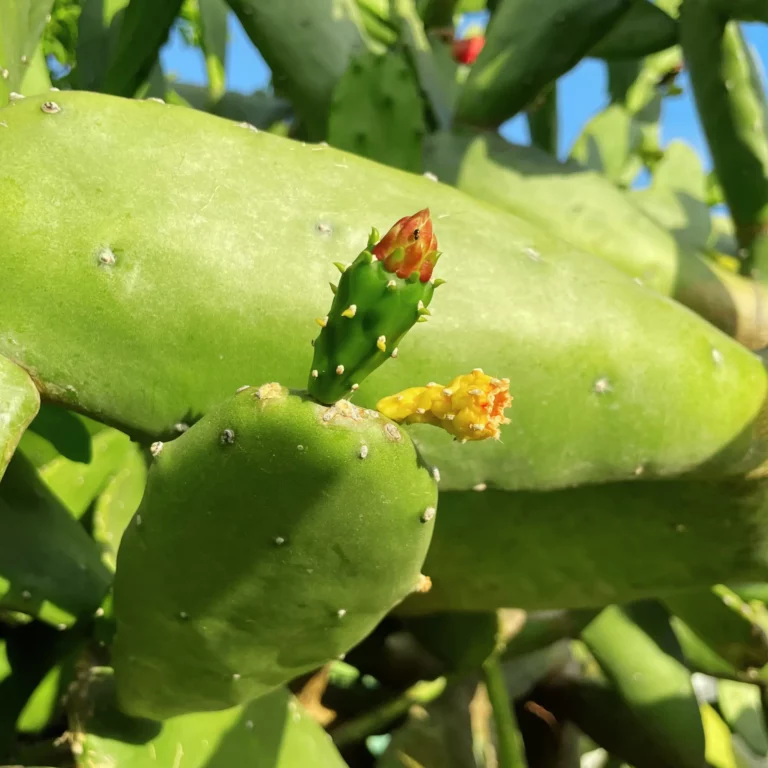
Opuntia cacti are easily recognized by their flat, paddle-like pads covered in spines. They produce oval fruits that can range in color from green and yellow to deep purple. The flesh is sweet with a light tartness, somewhat like a mix of watermelon and pear, dotted with small edible seeds.
On Aruba, Bonaire, and Curaçao, Opuntia grows wild in many areas, and the fruits are sometimes used to make jams or eaten fresh (after careful removal of the spines).
2. Dragon fruit / Pitahaya –
Hylocereus
Latin name:Hylocereus undatus (white-fleshed) and Hylocereus costaricensis (red-fleshed) Other names: Pitahaya, pitaya, strawberry pear
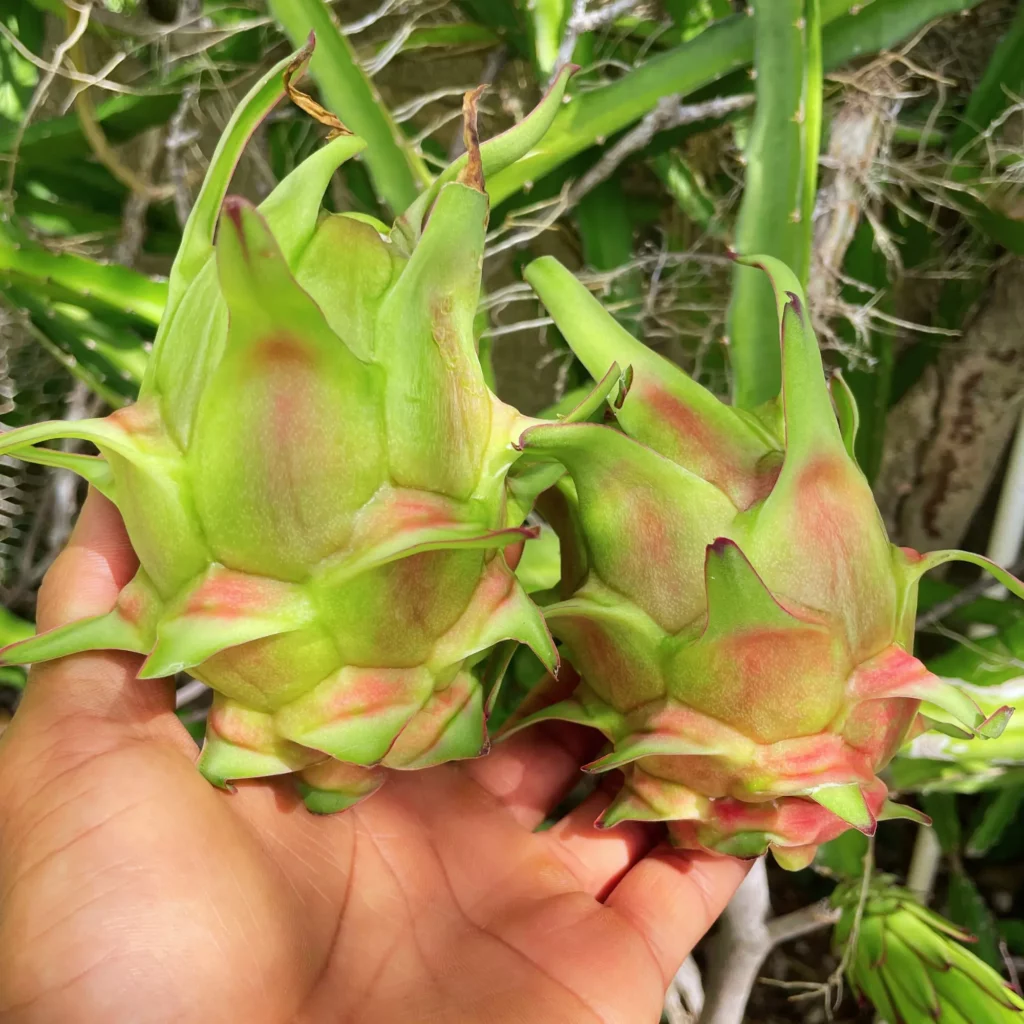
Dragon fruit is a climbing cactus with stunning pink or yellow skin and white or magenta flesh speckled with tiny black seeds. The flavor is mild, sweet, and refreshing — perfect for the warm Caribbean climate.
Small farms like Cunucu di Jimmy in Aruba have been cultivating dragon fruit for years. Similar efforts are seen on Bonaire and Curaçao, where small-scale growers experiment with this high-value crop.
Latin name:Cereus repandus Other names: Peruvian apple cactus, organ pipe cactus
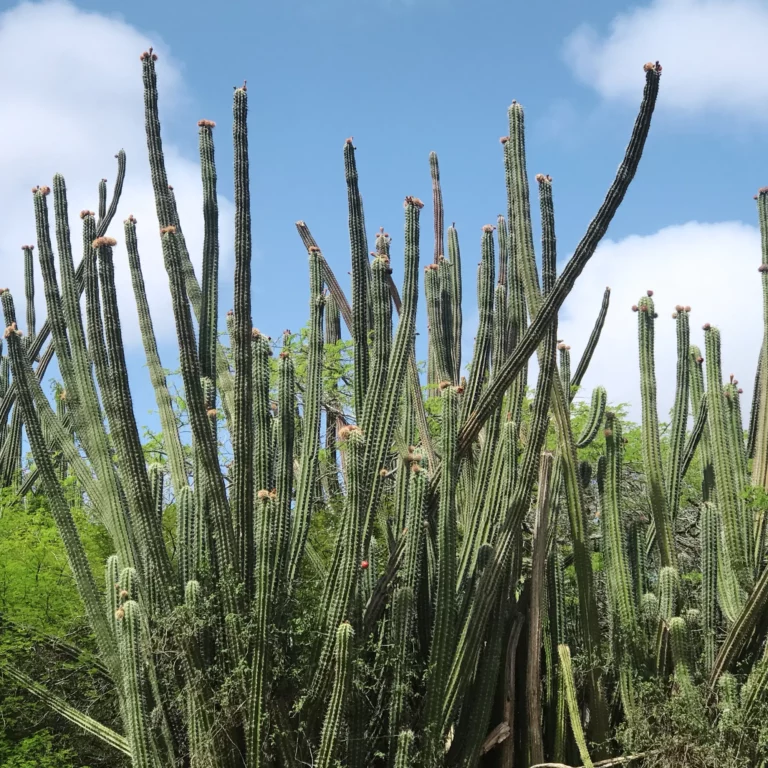
These tall, tree-like cacti produce round, bright red fruits that look like dragon fruit inside — white or magenta flesh with black seeds. The taste is mildly sweet, similar to kiwi but less tangy.
They are often found in the wild across all three islands and are a beloved seasonal treat for locals.
4. Bol cactus – Melocactus
Latin name:Melocactus spp. Other names: Turk’s cap cactus, pope’s head
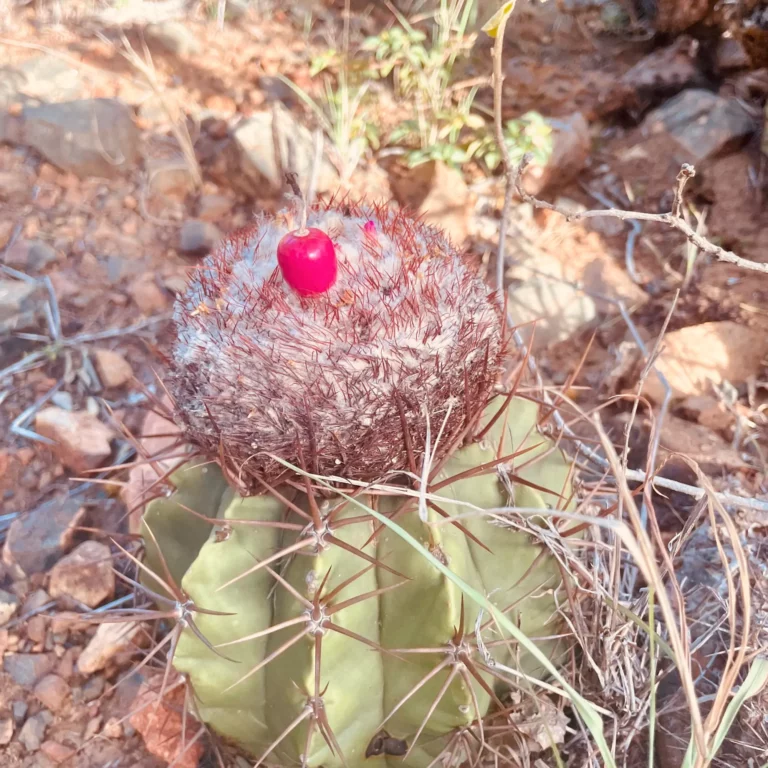
The bol cactus is a small, spherical cactus crowned with a reddish “cap” (cephalium) from which tiny pink fruits emerge. Inside, the fruit is white and soft, with a delicate sweetness.
While you won’t find Melocactus (bol cactus) fruit for sale in local markets, it’s a special treat you might encounter if you explore Aruba, Bonaire, or Curaçao’s wild landscapes. The small pink fruit, with white, mildly sweet flesh, grows from the plant’s cephalium the fuzzy, reddish “cap” at the top of the cactus. Harvesting it is pure foraging 101: you need to be respectful of the plant, mindful of its spines, and patient enough to spot ripe fruit in nature. For locals and nature lovers, finding one is a small but delicious reward of exploring the islands’ dry forests and rocky hillsides.
Explore Bonaire’sWashington Slagbaai national parkwith a local tour guide while you forage cactus fruits and learn about the islands flora and fauna during this tour.
Nutritional benefits of cactus fruit
Across all species, cactus fruits are rich in:
Vitamin C – boosts immunity
Antioxidants – fight inflammation
Fiber – supports digestion
Hydration – high water content
In traditional Caribbean and Latin American remedies, prickly pear juice is also valued for its supposed blood sugar regulation and hangover relief properties.
How to eat cactus fruit safely
Remove spines: The easiest way (local tip) to remove the columnar cacti fruit after harvesting is to leave the cactus fruit for one day in the shade and remove the spines the next day. Will remove easitly. If you are a little impatient like me you can also roll the fruit on a rough surface.
Peel the skin: Slice off the ends, cut along the skin, and peel away.
Enjoy fresh or processed: Eat raw, blend into smoothies, or turn into jams and syrups.
In the ABC Islands, cactus fruits are more than food; they’re a connection to the land.
Locals enjoy them as seasonal treats.
Tourists see them as part of the islands’ unique desert landscape.
Arubans, Bonaireans, and Curaçaoans living abroad often seek them out when visiting home as a taste of their childhood.
This sense of cultural connection is also what I explore in my book Roots and Renewal: A Path to Sustainability and Self-Discovery in Aruba — a celebration of how even small-scale agriculture builds community and identity.
Where to experience cactus fruits on the ABC islands
Whether you want to taste, learn, or photograph cactus fruits, these tours offer authentic experiences:
Final bite: Cactus plant fruit
The cactus plant fruit is proof that life and sweetness can flourish in even the harshest landscapes. On Aruba, Bonaire, and Curaçao, they’re not only a delicious seasonal treat but also a cultural link between past and present.
So, whether you’re here for a vacation or visiting family, don’t miss the chance to try these desert jewels. Your taste buds and your Instagram feed will thank you.
Frequently asked questions
Are there farms on Aruba?
Yes, there are several farms in Aruba. Read more about Cunucu di Jimmy and its dragon fruit magic
Are there Eco-friendly farms in Aruba
Yes, several farms on Aruba, like Eco Living Aruba, promote sustainable agriculture and local production.
Can you visit farms in Aruba with kids?
Absolutely! Many farms offer family-friendly tours where kids can see animals, taste fruit, and learn about Caribbean farming traditions.
Where is the best place to live in Aruba?
Many expats prefer Noord or Oranjestad due to amenities and proximity to beaches. Locals also enjoy peaceful areas like Santa Cruz, Paradera and Savaneta for their community feel and nature.





 Looking for Farms? Get access to our private Google Maps Locations!


